


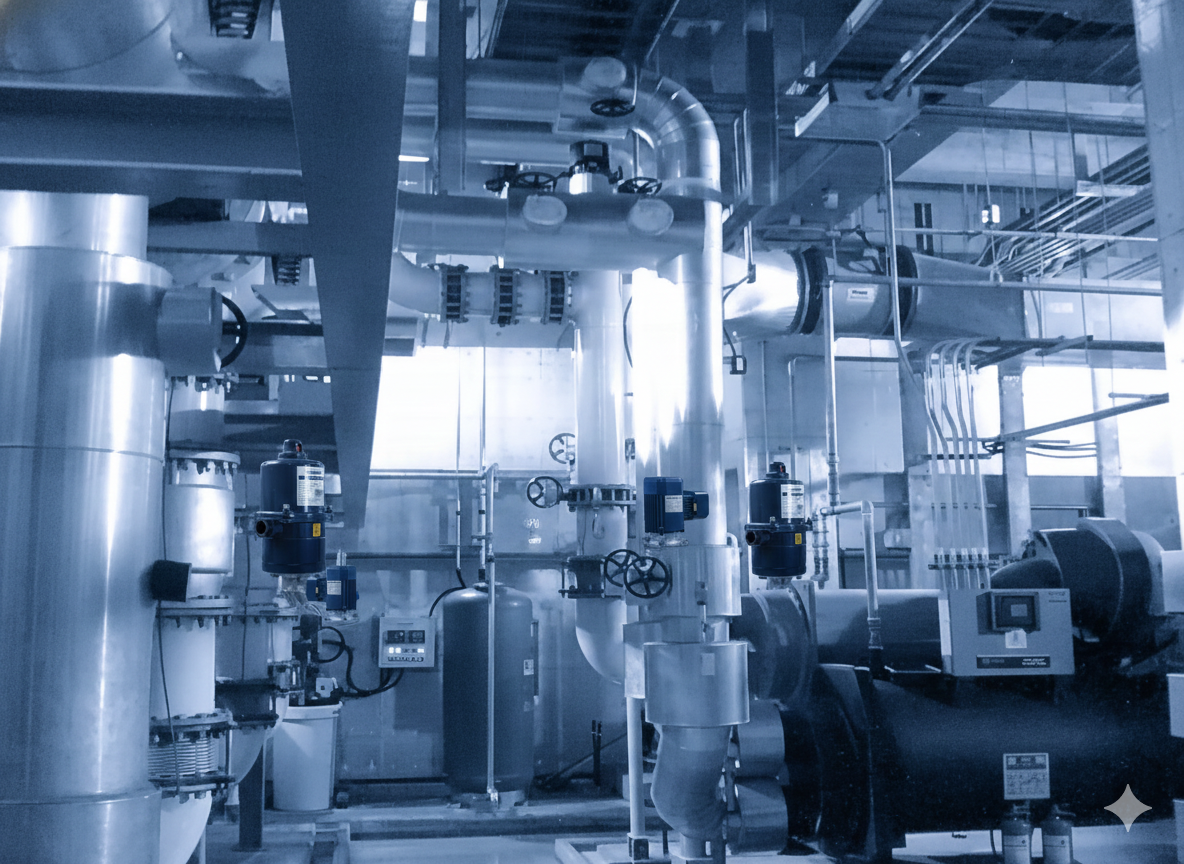
Electric Actuator: Types, Working Principle, and Advantages
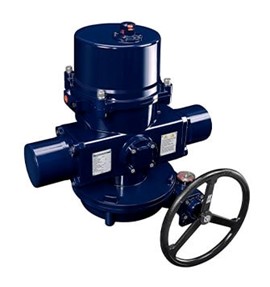
圖片來源:https://www.lijin-flowcontrol.com/products/flow-control/Electric-actuator/s-series
In today's automation, actuators are important parts that change control signals into movement. Electric actuators, in particular, are valuable because they offer great accuracy, efficiency, and the ability to work with data. They play a smart role in helping modern industrial processes operate better.
This guide provides a comprehensive overview of electric actuator technology. As a professional electric actuator supplier, Li Jin will explore what electric actuators are, how they work, detail the primary types available, and highlight their critical role across different applications.
What is an Electric Actuator?
An electric actuator is a device that uses an electric motor to operate a valve or other mechanical equipment. Its core function is to bridge the gap between digital control systems and physical processes.
How Electric Actuators Work
To understand how electric actuators work, the principle involves an internal motor that generates rotational force. This force is transferred through a gear set, which multiplies the torque while reducing speed. This high-torque, low-speed motion is then used to drive a component, such as a valve stem, precisely.The actuator operates by receiving and executing specific control signals (analog or digital) sent from a central control system (like a PLC or DCS), the actuator enables the precise, remote, and automated control essential for smart factories and sophisticated industrial applications.
Types of Electric Actuator
Electric actuators are designed in several configurations to match the specific motion requirements of different valves and equipment. Regardless of how electric actuators work to deliver motion (linear, rotary, etc.), their fundamental principle remains the conversion of electrical energy into mechanical force.
-
Linear Electric Actuator
Linear electric actuator provides a straight-line push/pull or lifting motion. It is designed for linear-style valves like globe valves and gate valves. They are common in boilers, steam systems, and HVAC applications where precise, incremental flow control is required.
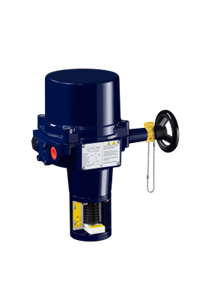
圖片來源:https://www.lijin-flowcontrol.com/products/flow-control/Electric-actuator/l-series
▲Li Jin’s L series Electric Linear Valve Actuators provide thrust force ranges from 250 to 2,000 kgf (550 to 4,410 lbf). A low power consumption DC motor achieves high duty ratings and operational efficiency. -
Quarter-Turn Electric Actuator
As the most common type of rotary actuator, the quarter-turn electric actuator delivers a 90° rotation perfectly suited for operating ball valves, butterfly valves, and dampers. They are widely used in fluid transport systems and automated industrial processes across countless industries.
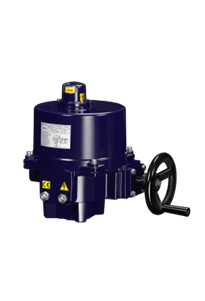
圖片來源:https://www.lijin-flowcontrol.com/products/flow-control/Electric-actuator/om-series
▲The OM Series quarter-turn electric control valve actuators are engineered to deliver torque ranges between 35 N·m and 4500 N·m. Users can select the appropriate model based on their specific load requirements. -
Spring-Return Electric Actuator
This is a critical fail-safe device. It uses an internal spring that stores mechanical energy during operation; the electric motor compresses the spring while moving the valve to its commanded position. In the event of a power failure, this stored energy automatically drives the actuator to a predetermined safe position. They are applied in fire safety systems, ventilation tunnels, chimneys, and for emergency shutdowns in the petrochemical industry.
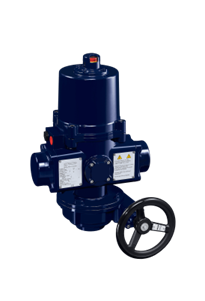
圖片來源:https://www.lijin-flowcontrol.com/products/flow-control/Electric-actuator/s-series
▲Check out Li Jin’s Spring Return Fail-Safe Electric Valve Actuators. Their Springs are utilized to store kinetic energy to close a valve or a damper every time to ensure failsafe operation in time of emergency without relying on batteries or other external power supplies. -
Multi-Turn Electric Actuator
Designed for valves that require multiple full rotations to move from the open to closed position, these actuators provide continuous rotational motion. They are often paired with large gate valves or sluice gates and are common in reservoirs, large-scale water treatment plants, and other applications involving oversized valves.
-
Explosion-Proof Electric Actuator
Engineered for hazardous environments, this actuator's primary feature is a rugged enclosure designed for ignition containment. It prevents any internal sparks from igniting flammable gases or dust in the surrounding atmosphere. They are essential components in the oil and gas, mining, and chemical industries.
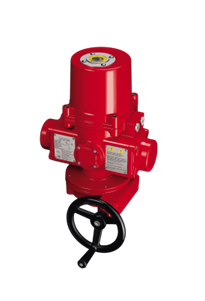
圖片來源:https://www.lijin-flowcontrol.com/products/flow-control/explosion-proof-electric-actuator/se-series
▲The Explosion-Proof electric control valve actuators including the OME (quarter-turn), SE (spring return), and LE (linear) series. All models are certified under II2GD Ex db IIB T4 Gb / Ex tb IIIC T130°C Db, making them suitable for Zone 1, Zone 2 (gas) and Zone 21, Zone 22 (dust) applications.
Advantages of Electric Actuators
The widespread adoption of electric actuators is driven by a clear set of compelling advantages.
Precision and Repeatability
-
They allow for highly accurate and repeatable adjustment of position, speed, and torque, which is critical for complex process control.
-
Energy Efficiency
Electric actuators consume power only when in motion, resulting in significantly lower energy consumption compared to pneumatic or hydraulic systems that require continuously running compressors or pumps.
-
Seamless Integration
They are designed to be compatible with PLCs, industrial automation protocols, and IoT systems, enabling sophisticated remote control and diagnostics.
-
Reduced Maintenance Overhead
With no need for compressed air or hydraulic oil systems, they eliminate the maintenance associated with filters, lubricators, and potential leaks.
-
Clean and Quiet Operation
Their operation is clean and quiet, with no leakage of hydraulic fluid or venting of compressed air, making them ideal for sensitive environments.
-
Wide Applicability
They are used across a vast range of industries, including oil & gas, water treatment, energy, HVAC, tunnels, firefighting, and agriculture.
Applications of Electric Actuators
Electric actuators are a key enabling technology in many of today's most vital sectors.
- Semiconductor and precision electronics: Used in ultra-clean environments where precise control of fluids and gases is critical for manufacturing processes.
- Water treatment: Essential for automating valves in municipal water plants, wastewater treatment facilities, and desalination plants for reliable, remote operation.
- Smart factories and automated production lines: Integrate the electric control valves to automate coolant circulation and heat exchange systems. By precisely regulating flow based on real-time data, these actuators prevent machinery overheating and reduce energy waste, ensuring seamless integration with central facility control systems.
- Power plants and renewable energy: Control the flow of steam, water, and fuel in traditional power generation, and are critical in systems like solar tracking and turbine control in renewables.
- Automotive industry: Enhance the quality of auto parts production by automating fluid control in surface treatment and coating lines. The electric actuators precisely regulate the flow and temperature of rinsing agents, chemical baths, and process water. This ensures consistent finish quality, reduces defect rates, and maintains high efficiency in high-volume production environments.
- Aerospace industry: Employed in testing equipment, fuel handling systems, and manufacturing jigs where precision and dependability is paramount.
Frequently Asked Questions (FAQ)
Q1: How do I choose the right electric actuator model?
A1: Proper selection requires considering the valve's torque/trust requirements, the type of valve (e.g., butterfly, ball, damper) with its operation type (quarter-turn or linear), the required actuation angle (e.g., 90°, 180°) or stroke (linear distance), and the installation environment (e.g., temperature, hazardous location). Always confirm site conditions and valve specifications before making a selection. For detailed consultation on finding the perfect match for your application, contact Li Jin.
Q2: What optional features are recommended for first-time buyers?
A2: For enhanced control and monitoring, adding two auxiliary microswitches is highly recommended.
These provide dry contact (voltage-free) signals that confirm the valve’s fully open and fully closed positions. This feedback can be integrated into your PLC system, enabling reliable remote monitoring and verification of the valve status.
Q3: What are the unique design features of Li Jin electric actuators?
A3:Li Jin actuators,feature an innovative clutch-free design. This allows operators to seamlessly switch between manual and electric operation at any time without needing tools, power, or complex lever engagement. This design simplifies operation, improves reliability, and reduces potential failure points common in traditional clutched designs.
Empowering Your Operations with Precision Control
圖片來源:https://www.lijin-flowcontrol.com/products/flow-control/Electric-actuator/t-series
In conclusion, electric actuators are foundational components of modern automation and industrial control. Their ability to deliver precision, efficiency, and safety has made them the preferred solution for industries aiming to optimize processes and enhance operational intelligence. From ensuring safety in hazardous environments to providing the precise control essential for sophisticated high-tech manufacturing processes, their impact is undeniable.
Li Jin is one of the leading suppliers of electric actuators in Taiwan. At Li Jin, we specialize in providing high-performance actuation solutions engineered for reliability and control. Our range of explosion-proof actuators ensures that even your most critical processes operate safely and efficiently. These products are specifically designed for use in hazardous environments where combustible gases or dust might be present. All models come with certifications under II2GD Ex db IIB T4 Gb / Ex tb IIIC T130°C Db, making them ideal for applications in Zone 1 and Zone 2 (gas) as well as Zone 21 and Zone 22 (dust).
Contact us to find out how they can assist with your production.